Hebei Longtai Chemical

Product center

Titanium dioxide & lithopone

Explore our pigment grades, technical specifications, applications and packaging options.

2 products

Lithopone-301

Lithopone · B-301

Lithopone-301

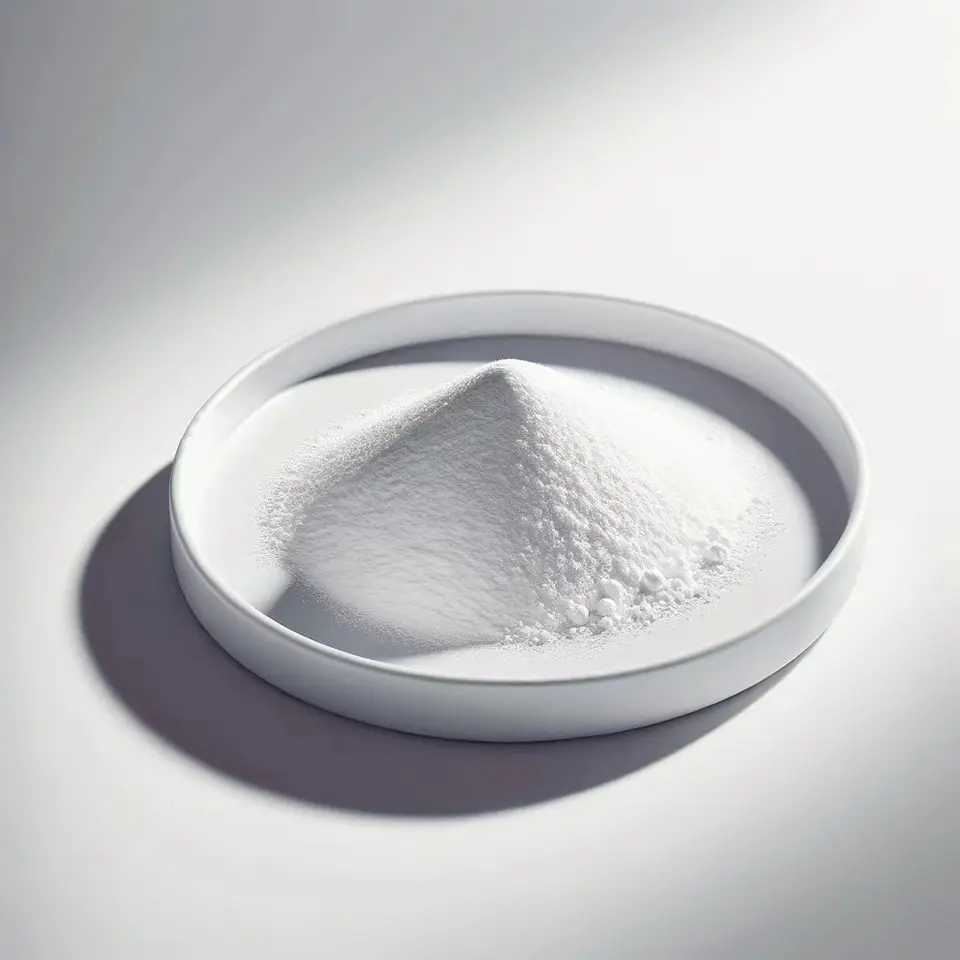
Lithopone is a white pigment produced through the co–precipitation of zinc sulfide and barium sulfate,featuring a uniform and moderate particle size distribution. It exhibits excellent whiteness, hiding power,dispersibility, and cost–effectiveness. It is suitable for cost–sensitive indoor coatings, plastics, inks, paper, rubber, and other non–outdoor high–weather resistance systems.

Sum of zinc sulfide and barium sulfate,%
≥99
Tota znc content (calculated as zinc suflide),%
≥28
Zinc oxide,%
≤0.6
Specifications & inquiry
Lithopone-311

Lithopone · B-311

Lithopone-311

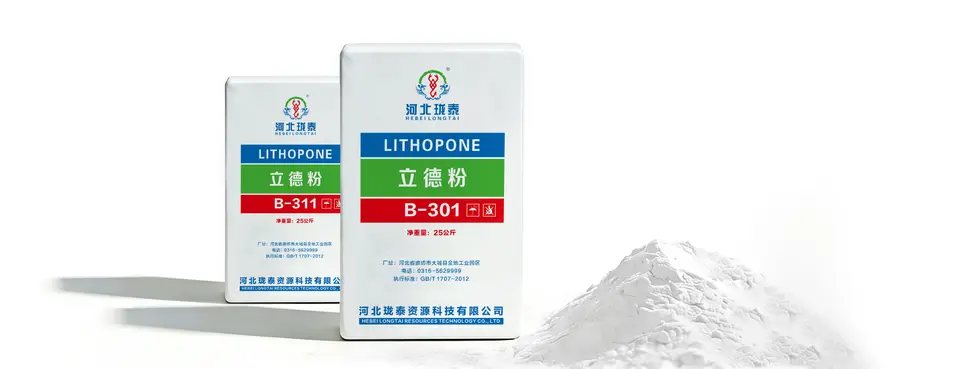
Lithopone B311 and B301 is a mixture of Zinc Sulfide and Barium Sulfate that can partially replace TiO₂ in plastic system and can be used in white pigment, colorant, paint, rubber, paper, etc.

Product Name
Lithopone
Product Grade
B311, B301
Application
White Pigment, Colorant, Paint, Rubber, Paper, etc.
Specifications & inquiry

Product indices are subject to the inspection report for the supplied grade and batch.

Titanium dioxide & lithopone buying guide

Which industrial pigments does Longtai Chemical supply?

Longtai Chemical supplies rutile titanium dioxide, anatase titanium dioxide and lithopone, including B-301 and B-311. Published product pages list grade-specific applications and technical parameters for industrial buyers.

How do rutile and anatase titanium dioxide differ?

Rutile titanium dioxide is commonly chosen for opacity and weather resistance in coatings and plastics. Anatase is used in selected indoor, paper and fiber applications. Crystal form alone does not determine suitability: compare the surface treatment and technical data, then test in your formulation.

Can lithopone replace titanium dioxide?

Lithopone is a white pigment based on zinc sulfide and barium sulfate. It may partially replace titanium dioxide in some indoor coatings, plastics and rubber formulations. Replacement levels depend on opacity, durability and compatibility requirements and should be established by testing.